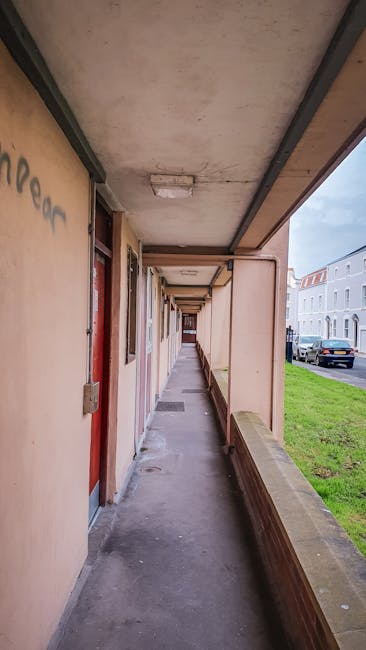
Riddlesdown Lane Flats: Narrow-Access Removals Guide
Posted on 14/05/2026
Moving out of a flat can feel straightforward right up until you meet the stairs, the tight hallway, the awkward turn at the landing, and that front door that never quite opens wide enough. If you live in a property with limited access, this Riddlesdown Lane Flats: Narrow-Access Removals Guide is here to make the whole process feel less like a puzzle and more like a plan. The good news? Narrow access is manageable with the right preparation, the right equipment, and a removal team that knows how to work carefully in real-world conditions.
This guide breaks down what narrow-access removals actually involve, why they matter, and how to plan a flat move without damaging walls, furniture, or your back. You'll find practical steps, common mistakes, a comparison of moving methods, and a realistic checklist you can use before moving day. If you want extra help with the wider process, it may also be useful to read flat removals in Riddlesdown, our guide to packing and boxes for moving, and our services overview for a clearer sense of what support is available.
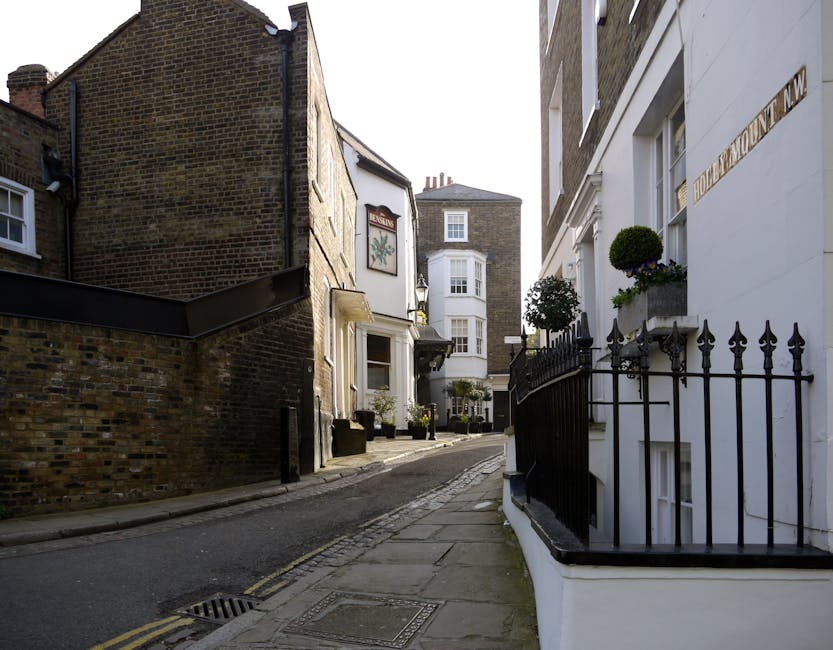
Why Riddlesdown Lane Flats: Narrow-Access Removals Guide Matters
Narrow-access removals are not just "regular removals, but a bit fiddly". They change the whole shape of the job. A sofa that would glide straight out of a house might need to be angled, rotated, wrapped, and carried in stages from a flat with a tight staircase and a small entrance. Even simple items can become awkward if the route is cramped or shared with neighbours.
That matters for three reasons. First, the risk of damage rises fast when people rush through a small space. Second, time estimates can become wildly optimistic if access hasn't been checked properly. Third, the stress level goes up for everyone involved. You can almost hear it on moving day: the scrape of a box against a wall, someone saying "careful, careful," and the quiet pause before trying to turn the bed frame around the landing.
In our experience, the properties that go smoothly are rarely the ones with the biggest budgets. They are the ones where the access was assessed early, the furniture was measured properly, and the move was treated like a small logistics project rather than a last-minute scramble.
If your move includes heavy items, awkward corners, or shared hallways, it's worth looking beyond a basic van booking. A service such as man with a van in Riddlesdown can be a practical fit for smaller flat moves, while full removal services in Riddlesdown may suit more complex jobs.
How Riddlesdown Lane Flats: Narrow-Access Removals Guide Works
A narrow-access move works by reducing uncertainty before the van arrives. That sounds simple, but it usually involves four layers: planning, measuring, packing, and loading in the right order. If one layer is off, the others tend to wobble too. A well-run move starts with access checks, not with lifting boxes.
1. Access assessment
This means checking the full route from the flat to the vehicle. The question is not just "will the sofa fit through the door?" It is also "can it turn the corner?", "is the staircase steep?", "is there a low ceiling?" and "will parking be close enough to keep the carry distance short?" Small details matter here.
2. Item-by-item planning
Large pieces such as wardrobes, beds, sofas, dining tables, and pianos need separate attention. Some items can be dismantled. Some cannot. Some can be moved only if wrapped and carried at a certain angle. If you're unsure about a bulky item, the right approach is to ask before moving day, not after the item is halfway down the stairs. For specialist advice, see furniture removals in Riddlesdown and, for more delicate instruments, piano removals in Riddlesdown.
3. Packing for tighter spaces
Boxes need to be stable, not overfilled, and easy to carry one at a time. Overstuffed boxes are a nuisance in any move, but in narrow hallways they become a liability. Good packing means fewer awkward stops and less chance of a box collapsing just as you reach the landing. If you want more detailed guidance, the article on packing techniques that actually help on moving day is a strong companion read.
4. Loading in a sensible sequence
With limited access, the order of loading matters more than people think. The heaviest, most fragile, and hardest-to-manoeuvre items usually need to be handled first. That lets the team use fresh energy while the route is still clear. It also reduces backtracking through a narrow corridor with a stack of boxes in your hands. No one enjoys that bit.
Key Benefits and Practical Advantages
There are clear reasons why a structured narrow-access removal plan pays off. It is not about making the move look clever; it is about making it work.
- Less damage risk: Walls, banisters, doors, and furniture are better protected when the route has been mapped in advance.
- Faster loading: A team that knows what to expect avoids awkward pauses and repeated repositioning.
- Lower physical strain: Carrying heavy items through tight spaces is tiring, and the strain builds quickly.
- Better neighbour relations: A quieter, more orderly move is simply easier on everyone in the building.
- Cleaner decision-making: You can decide whether to dismantle, wrap, store, or transport an item before the pressure is on.
There is also a calmer, less obvious benefit: confidence. Once you know the route has been checked and the plan makes sense, you stop worrying about every corner. That makes a real difference, especially if you are moving on a weekday or trying to fit everything into a short time window.
If you are still trimming down what needs to go, this decluttering agenda for movers can help you cut clutter before it becomes a handling problem.
Who This Is For and When It Makes Sense
This guide is especially useful if you live in a flat where access is limited by stairs, shared corridors, tight corners, or parking constraints. That could mean a top-floor flat, a maisonette, a converted house, or a block where the lift is too small for larger items. In simple terms: if the move looks fine on paper but slightly awkward in real life, you are the target audience here.
It also makes sense for:
- students moving between rentals with short notice
- tenants moving out at the end of a tenancy
- flat sharers with mixed furniture and different deadlines
- small households with bulky items but limited access
- anyone who wants to avoid a rushed, stressful moving day
A lot of people only realise they need narrow-access planning when the first large item reaches the door and suddenly does not want to cooperate. Truth be told, that is usually too late. If your move is time-sensitive, a same-day removals service can sometimes help, but tight access still needs the same careful approach.
Students, in particular, often underestimate the amount of stuff they accumulate. If that sounds familiar, the student removals page is worth a look.
Step-by-Step Guidance
Step 1: Measure the route properly
Measure doors, stairwells, landings, and any turns that look suspicious. Don't guess. A tape measure is dull, yes, but it beats discovering that the mattress only fits if you tilt it like a sail in the wind.
Step 2: Check the largest items first
Start with beds, sofas, wardrobes, white goods, and anything with an awkward shape. Smaller items usually follow the route that the big items force. If the big ones will not work, you need another plan. That may mean dismantling, temporary storage, or choosing a different vehicle setup. For bulky household items, you may also find the right removal van option in Riddlesdown useful when matching vehicle size to the access problem.
Step 3: Decide what to dismantle
Not everything should be taken apart, but many pieces move more safely in sections. Bed frames, table legs, shelving, and some wardrobes are common candidates. Keep screws and fixings in labelled bags. One tiny bag can save a lot of frustration later. Small win, big mood.
Step 4: Prepare packing materials
Use strong boxes, tape, furniture blankets, stretch wrap, labels, and padding. Protect corners carefully, because corners are what hit walls first. If you are not sure where to start, packing and boxes in Riddlesdown can support the planning side of the move.
Step 5: Clear the path
Remove loose rugs, shoes, plant pots, cables, bins, and anything else that creates a trip hazard. In a narrow hallway, even a small object can become a problem. Keep the route uncluttered from the front door right back to the loading point.
Step 6: Load in the right sequence
Most teams will prioritise large and heavy items, followed by stable boxes, and then fragile items that need careful placement. This isn't random. It's about using the van space efficiently and avoiding repeated handling. A smart sequence saves time, and more importantly, keeps your things intact.
Step 7: Leave time for final checks
Before the van leaves, do one last sweep of cupboards, balconies, meter cupboards, and behind doors. People miss things when they are distracted. It happens more often than they admit. A few minutes here can prevent a very annoying second trip.
Expert Tips for Better Results
Here are the practical bits that make a narrow-access move feel less painful. Not glamorous, but genuinely useful.
- Wrap awkward furniture before moving it: A padded cover can save paintwork and reduce the chance of scuffs on both the furniture and the building.
- Use smaller boxes than you think you need: A lighter box is easier to manoeuvre around tight corners.
- Protect stair edges and bannisters: These are the first places to show wear if the move is rushed.
- Keep one person free to guide: In narrow spaces, the spotter matters. They can see the angle before the lifter can.
- Move during quieter periods where possible: Less foot traffic makes shared access easier to manage.
- Be honest about difficult items: A slightly awkward sofa is one thing. A genuinely oversized wardrobe is another.
One small but important point: if you are moving items that are heavy, fragile, or both, it is worth thinking twice before trying to do it yourself. A short read on lifting heavy objects safely and kinetic lifting strategies may help you understand where the line is. And if it is a piano, honestly, don't improvise. The advice on why you shouldn't move a piano alone exists for a reason.
Small pause here: a good move is often less about strength and more about judgement. That sounds obvious, but it really is the difference.

Common Mistakes to Avoid
Most narrow-access problems come from predictable mistakes. The good news? They are avoidable if you spot them early.
- Assuming the building access is "fine" without checking: A flat can look simple until you actually try to carry a sofa through it.
- Forgetting to measure the largest item: Measuring everything except the thing that matters most is a classic moving-day headache.
- Overpacking boxes: Heavy boxes are harder to lift and harder to turn.
- Leaving dismantling too late: Once the team is on site, time pressure can create messy decisions.
- Ignoring parking and carry distance: A long walk from the van changes the whole job.
- Not protecting surfaces: A quick scrape on painted walls is very easy to do in a narrow hall.
There is one more mistake that deserves its own mention: trying to make every item fit because you really, really want it to. Sometimes the better move is storage. If that is on the cards, storage in Riddlesdown can be part of a practical plan rather than a last resort.
And while we're here, don't leave the cleaning until the last five minutes. A proper exit clean makes life easier and helps with handover. The guide on cleaning before moving out is well worth a read.
Tools, Resources and Recommendations
You do not need a van full of specialist kit to move from a narrow-access flat, but a few tools make a noticeable difference.
| Tool / resource | Why it helps | Best use |
|---|---|---|
| Furniture blankets | Protects furniture and walls during turns and carries | Tables, sofas, wardrobes, appliances |
| Stretch wrap | Keeps drawers, doors, and loose parts secure | Cabinets, chairs, bed frames |
| Labelled boxes | Makes unloading and room placement easier | Any boxed household contents |
| Socket set / screwdriver | Helps dismantle and reassemble furniture | Beds, shelving, flat-pack furniture |
| Corner protectors | Reduces impact marks in narrow routes | Door frames and tight corners |
| Clear route plan | Lets everyone understand the path before lifting starts | Shared hallways, stairwells, parking areas |
For many people, the best resource is not a tool but a clear moving plan. That might include a trusted checklist, a measured floorplan, and a sense of what you are not moving. Keep the move lean. A little ruthless, maybe, but helpful.
If you want a fuller picture of service options, the removal companies in Riddlesdown page and the main removals page can help you compare what is available locally. For quote details, pricing and quotes is the place to start.
Law, Compliance, Standards, or Best Practice
Narrow-access removals are usually guided more by best practice than by highly specific legal rules, but there are still important standards to respect. A good mover should work carefully, communicate clearly, and take reasonable steps to protect people and property. That means handling heavy items safely, planning lifts properly, and not forcing access where it is unsafe or likely to cause damage.
In the UK, household moving also sits within broader expectations around health and safety, insurance, and fair handling of customer property. You do not need to become a compliance expert yourself, but it helps to know what to ask about. For example, it is sensible to check whether a provider has appropriate insurance and safety measures and whether their working practices align with a clear health and safety policy.
There are also practical duties on both sides. Customers should be honest about access problems, fragile items, and parking limitations. Removals teams should explain what they can and cannot safely do. If a route is too narrow, a stairwell too tight, or an item too heavy for the space available, the right answer may be to adjust the plan rather than push through. That is not being awkward. That is good practice.
For readers who care about disposal and reuse, recycling and sustainability is a useful page to review before deciding what to keep, donate, or let go. A move is a good time to tidy your footprint a bit, if you can.
Options, Methods, or Comparison Table
Different moves call for different approaches. The right choice depends on the size of the flat, the access route, and how much handling the items need. Here's a simple comparison to help you think it through.
| Method | Best for | Pros | Watch out for |
|---|---|---|---|
| DIY move | Very small loads, minimal furniture | Cheaper on the surface, flexible timing | High physical effort, access problems, more risk of damage |
| Man and van | Smaller flat moves with limited items | Often cost-effective, useful for short-distance jobs | May need careful planning for large furniture |
| Full removal service | More furniture, awkward access, bigger volume | More support, better handling of heavy items | Usually costs more than a basic van-only option |
| Split move with storage | Items that will not fit or cannot move on the day | Reduces pressure, gives breathing room | Requires coordination and extra logistics |
To be fair, most narrow-access flat moves are somewhere between the second and third option. A simple van might be enough if you are moving boxes and a bed. If you've got a sofa, wardrobe, and the stairwell feels like it was designed by a mischievous architect, a more supported approach is usually worth it.
Case Study or Real-World Example
Here's a realistic example from a typical flat move scenario. A tenant in a top-floor flat had a double bed, a sofa, a coffee table, and around 20 boxes. The building entrance was narrow, the stairs turned sharply at the first landing, and parking was only available a short walk away. Nothing extreme, but enough to make the job awkward.
The difference came from preparation. The bed frame was dismantled the evening before. Boxes were reduced to manageable weights. The sofa was wrapped and measured in advance, and the route down the stairs was cleared before the van arrived. One person guided at the corners while the lifting team moved slowly and in sync. Not rushed. Not showy. Just careful.
The result was a move that took more planning than a standard flat move, but far less stress than it would have caused if everyone had winged it. That's the thing about narrow access: the smart work happens before moving day, not during the scramble. And the quieter the flat feels in the first 10 minutes of loading, the better the day usually goes.
If your move includes larger items like beds or mattresses, this guide on moving a mattress and bed safely is a handy companion piece.
Practical Checklist
Use this before moving day. It keeps things sane.
- Measure the widest items and the narrowest access points
- Check whether any furniture needs dismantling
- Confirm parking space or loading access
- Clear hallways, stairs, and the path to the door
- Wrap corners, glass, and vulnerable surfaces
- Pack boxes to a sensible weight
- Label boxes by room and fragility
- Separate tools, keys, documents, and chargers
- Arrange storage if any item will not fit safely
- Check insurance, arrival time, and contact details
- Do one final room-by-room sweep before departure
Quick expert summary: if the route is tight, treat the move like a sequence of small decisions rather than one big lift. Measure first, dismantle where needed, keep boxes light, and use the van and team in a way that suits the building instead of fighting it. That mindset saves more trouble than any amount of hoping ever could.
Conclusion
Narrow-access flat moves in Riddlesdown do not need to be chaotic. They just need structure. Once you understand the route, the furniture, the packing, and the timing, the whole process becomes much easier to control. That is the real value of this guide: less guesswork, fewer surprises, and a calmer moving day from start to finish.
If you are planning a move from a flat with tight access, the safest path is usually the simplest one: measure carefully, prepare early, and ask for help where the job gets awkward. The difference is often visible within the first few minutes on moving day. Quiet confidence, not panic. That's what you want.
Get a free quote today and see how much you can save.
And if you want to keep building a smoother move, explore stress-free moving tips or learn more about the team on our about us page. A little preparation goes a long way, honestly.