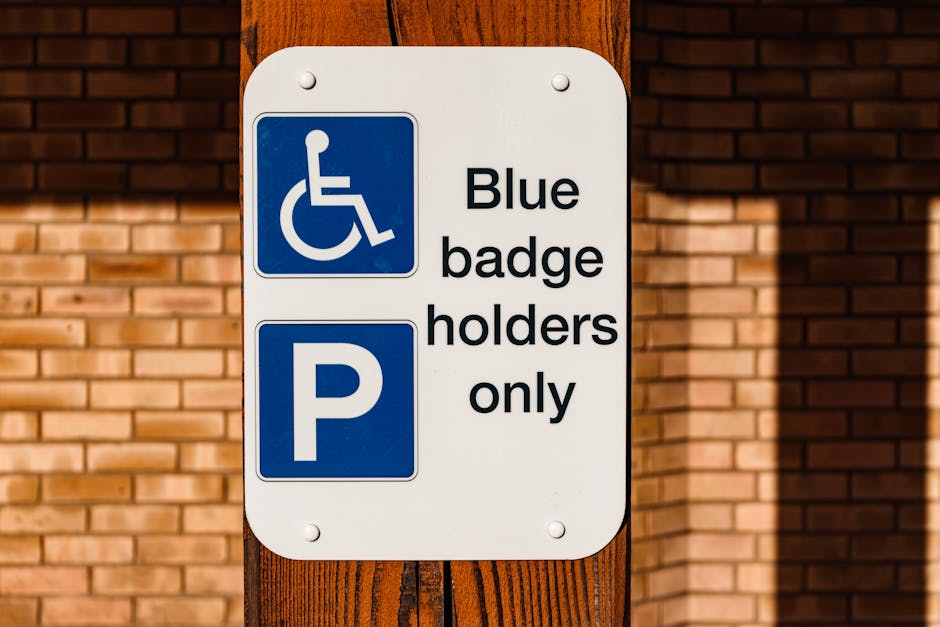
Croydon Council Parking Permits for Riddlesdown Removals
Posted on 26/06/2026
Croydon Council Parking Permits for Riddlesdown Removals: A Practical Guide for a Smoother Move
Parking is one of those moving-day details that looks small on paper and turns into a headache by 8:15am. If you are arranging a move in Riddlesdown, Croydon Council parking permits for Riddlesdown removals can be the difference between a calm loading process and a van circling the street while everyone else gets increasingly tense. That sounds dramatic, but anyone who has tried to unload a sofa in a tight road with impatient traffic behind them will know the feeling.
This guide explains how parking permissions usually fit into a local move, why they matter, what you should check before moving day, and how to avoid the usual mistakes. It is written for people who want a straightforward answer, not a jargon-heavy lecture. You will also find practical pointers for flats, houses, narrow roads, and same-day jobs, plus a simple checklist you can actually use.
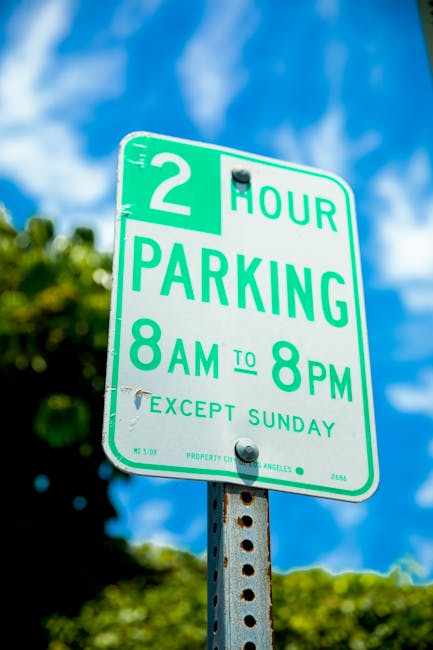
Why Croydon Council Parking Permits for Riddlesdown Removals Matters
Removal vans are not like family cars. They need room to park safely, space to open doors, and a sensible route for loading trolleys, boxes, and awkward furniture. In Riddlesdown, that can become tricky quickly, especially near narrow residential roads, shared drives, and flats with limited outside space. A parking permit, dispensation, or agreed loading arrangement can help make the move workable without turning the pavement into a guessing game.
The biggest reason this matters is simple: time. If the van cannot stop close enough to the property, the team has to carry everything further. That slows the job down, increases the physical effort, and can add avoidable pressure to the day. A few extra metres do not sound like much until you are moving wardrobes, mattresses, and a freezer through them. Then every step counts.
There is also the matter of local traffic and neighbours. A properly planned parking arrangement reduces obstruction, keeps the move orderly, and makes life easier for everyone nearby. In practice, that means fewer awkward conversations with residents, fewer last-minute changes, and less chance of your move being held up because the best spot was already taken.
If you are preparing for a bigger move, it often helps to think about parking alongside other key tasks such as decluttering, packing, and loading order. Our advice on getting organised before moving day and packing more efficiently fits neatly with that approach.
How Croydon Council Parking Permits for Riddlesdown Removals Works
Parking arrangements for removals are usually about making sure the vehicle can legally and practically stop where it needs to. Depending on the street and the type of restriction in place, this might involve a temporary permit, a loading exemption, a bay suspension, or simply planning around existing restrictions. The important thing is not to assume that "it will probably be fine". On moving day, probably is not a strategy.
In real terms, the process usually starts with checking the street outside the property. Is it a controlled parking zone? Is it permit-only? Are there time-based restrictions? Is there a yellow line outside the building? Is there a narrow access issue where the van would need to wait in a specific spot? These are the kinds of details that shape the plan.
For removals in Riddlesdown, the van may also need access to both ends of the move. You might be leaving a flat with stairs and limited kerb space, or arriving at a house where the only safe place to stop is slightly down the road. The move can still work, but the parking plan has to reflect reality, not optimism.
For local moves, a little route awareness goes a long way. Our guides on avoiding van access problems in Riddlesdown and choosing sensible routes for large items are useful if your move involves tight corners, parked cars, or a road that never seems to have enough space. Truth be told, that is a lot of streets in London.
It also helps to understand the difference between parking permission and access planning. A permit may solve the legal side of stopping on a road, but you still need enough room for the vehicle to load safely. If the van ends up three doors away from the property, the permit has only done half the job.
Key Benefits and Practical Advantages
Getting the parking side right brings a few obvious wins, and one or two less obvious ones too.
- Faster loading and unloading: The closer the van is to the property, the less carrying distance you need.
- Less physical strain: Shorter carries reduce fatigue, which matters more than people expect during a full-day move.
- Lower risk of delay: You are less likely to lose time searching for a space or waiting for a car to move.
- Better protection for furniture: Less distance means fewer chances for knocks, scrapes, and weather exposure.
- More predictable scheduling: A well-planned stop point helps the move stay on track.
- Smoother neighbour relations: People are usually more forgiving when the move looks organised.
There is also a commercial advantage. If you are comparing different removal options, a team that understands local parking conditions is usually a safer bet than one that treats every job as if it were on a wide industrial estate. That is especially true for man with a van services in Riddlesdown, where speed and access often matter just as much as vehicle size.
And yes, it can save money indirectly. Even if the permit itself is modest in cost, the real savings come from reducing wasted time, avoiding additional carrying effort, and preventing those irritating hold-ups that make a move run over. Nobody enjoys paying for avoidable faff.
Who This Is For and When It Makes Sense
Not every move needs a formal parking arrangement, but many do. The following situations are the most common ones where Croydon Council parking permits for Riddlesdown removals become relevant.
Flats and apartments
If you are moving from a flat, especially one with limited street frontage or shared parking, parking can be the main constraint. A bay near the building may already be occupied, and the van may need a planned stopping point rather than a hope-and-see approach. For apartment moves, it is also wise to think about stair carries and corridor width, because parking and internal access are really two halves of the same problem.
Our article on narrow access removals in Riddlesdown Lane flats gives a good sense of how access issues build up in real buildings.
Houses on busier roads
If your home sits on a road with steady traffic or limited verge space, the van may need a specific loading spot. That matters even if the property itself is easy to reach once you are inside the gate. Parking close by can reduce the number of trips for bulky items like sofas, beds, and wardrobes.
Office or commercial moves
Office relocations often involve more equipment, more boxes, and less patience for delay. A planned stopping point helps keep the business move efficient. If your move happens during a weekday, you may also be contending with commuter traffic and busy kerb space. Not ideal.
Urgent or same-day moves
Last-minute removals leave less room for error. In those situations, parking planning becomes even more valuable because the rest of the schedule is already compressed. Our guide to urgent removals in Riddlesdown explains why quick decisions need good groundwork.
Heavy, awkward, or fragile items
Pianos, large beds, freezers, and oversized furniture are all more manageable when the van is positioned well. If the item is fragile or difficult to manoeuvre, extra walking distance is not your friend. For example, if you are dealing with a piano, you will probably want to reduce every unnecessary movement possible. There is a reason we advise people not to tackle that kind of move solo.
Step-by-Step Guidance
Here is the practical version. If you want your parking arrangements to support the move rather than complicate it, follow these steps.
- Check the street restrictions early. Look at the road outside both the old and new property. Note permit zones, yellow lines, bay markings, and time restrictions.
- Measure the real-world access. Think about how far the van will be from the front door, where it can safely stop, and whether there is space to open rear doors.
- Ask the right questions. If you are in a managed building or rented flat, ask whether residents' bays, visitor spaces, or loading bays can be used for the move.
- Build in time for permissions. Some parking arrangements need advance notice. Leave breathing space rather than leaving it to the morning of the move.
- Tell the removal team everything. A tiny note like "narrow street, bay outside but often occupied" can be the difference between a smooth plan and a scramble.
- Plan for a backup. If the ideal space is unavailable, decide in advance what the next best option is.
- Coordinate loading order. Put heavy or essential items near the exit first so the team can keep things moving once the van is positioned.
One small but important point: do not treat parking as separate from packing. If the van is only available for a limited window, having the right boxes, furniture protection, and item order makes a huge difference. A sensible move often starts before the van even arrives. Stress-free move planning and end-of-move cleaning are both part of that bigger picture.
Expert Tips for Better Results
A few practical habits make parking and access planning much easier, and they are all simple enough to use.
- Confirm the loading side of the street. Sometimes the "best" side is not the nearest side if traffic flow makes stopping unsafe.
- Keep building entry points clear. Bikes, bins, and plant pots have a habit of appearing right where you need to turn a trolley.
- Protect the route as well as the item. A mattress bag or sofa cover is useful, but so is a clear path from door to van. Moving beds and mattresses properly becomes easier when the route is uncluttered.
- Use the first parking opportunity that is safe and workable. Waiting ten minutes for the perfect space can cost more time than taking the sensible one now.
- Allow for neighbour vehicles. Residential streets change by the hour. A bay empty at dawn may be full by 9:00am.
- Keep one person focused on traffic awareness. It sounds obvious, but in the middle of a hectic move, nobody wants the van blocked by a delivery driver and a wheelie bin.
We also recommend thinking about item weight and carrying technique. If the van has to stop a little further away than planned, good lifting habits matter even more. Our pieces on lifting heavy objects safely and kinetic lifting strategies are worth a look if you want to avoid that sore-back-by-lunch feeling.
And here is a small human truth: on moving day, the little wins matter. A parking space ten metres closer can feel like a minor miracle. Bit dramatic? Maybe. But moving does that to people.
Common Mistakes to Avoid
Most parking-related moving problems come from a handful of repeat mistakes. The good news is that they are easy to avoid once you know them.
- Leaving it too late: If you only think about parking on the morning of the move, your options may already be limited.
- Assuming a space will be free: Residential parking is often competitive, especially at school-run or commuter times.
- Forgetting the return leg: People plan the loading point and forget the delivery point. Both matter.
- Not telling the removal team about access issues: Hidden steps, low trees, narrow turns, and awkward kerbs are not minor details.
- Ignoring nearby construction or roadworks: Temporary changes can alter where the van can stop. One small cone can be enough to ruin the plan.
- Overlooking upstairs or basement access: Parking close by helps, but internal access still affects timing and labour.
- Underestimating bulky furniture: A dining table is never just a dining table when you are carrying it around a corner with a van waiting.
Another classic error is trying to be too clever with the schedule. If the move has a tight window, every extra complication hurts more. That is where proper planning beats improvisation every time. Honestly, improvisation is fine for a jazz band, not so much for a three-bedroom move.
Tools, Resources and Recommendations
You do not need a complicated system, but a few simple tools make planning far easier.
- Phone notes or checklist app: Use it to record parking restrictions, access details, and contact names.
- Printed move plan: Handy if your phone battery is already busy with messages, photos, and navigation.
- Tape measure: Great for checking whether furniture can be turned through a hallway or doorway.
- Marker pens and labels: Helpful when you need to load in a specific order and unload efficiently.
- Protective covers and straps: Useful when the van is a little further from the front door than ideal.
- Local route awareness: If you know which streets tighten up at peak times, you can save yourself grief before it begins.
For broader move planning, these internal guides can help with the practical side of the job: packing techniques, furniture removals in Riddlesdown, and packing and boxes support. Different tasks, same outcome: fewer headaches.
Law, Compliance, Standards, or Best Practice
Parking permissions sit within local parking controls, road markings, and the practical expectations of safe loading. The exact rules vary by street and restriction type, so it is always sensible to check the specific circumstances rather than relying on general assumptions. That sounds a bit cautious, but parking rules in London really do reward caution.
From a best-practice perspective, the move should avoid blocking traffic, pedestrian access, dropped kerbs, and emergency routes. A good removal plan also respects neighbours, keeps the footway clear wherever possible, and avoids unsafe loading positions. Even where loading is allowed, the van still needs to be parked in a sensible way for the task at hand.
If your move involves flats, managed estates, or shared access roads, there may also be building rules layered on top of street parking conditions. Those rules might cover loading times, lift protection, booking slots, or where vehicles can stop. In short: parking permission is only one piece of the puzzle.
It is also worth noting that responsible movers should work in line with basic health and safety standards. That includes safe manual handling, adequate lifting help, and avoiding rushed carries when access is awkward. If you want to see how we approach that side of the work, our health and safety policy and insurance and safety information explain the standards we keep in mind during a move.
Options, Methods, or Comparison Table
Different moves call for different parking approaches. Here is a simple comparison to help you think it through.
| Method | Best for | Pros | Watch-outs |
|---|---|---|---|
| Temporary parking permit | Controlled streets and planned moves | Clearer stopping arrangements, less guesswork | May need advance action and accurate timing |
| Loading only / short-stop arrangement | Quick van access for heavy items | Useful when the job is short and focused | Time pressure if the load takes longer than expected |
| Alternative nearby parking | Busy streets with limited outside space | Can still keep the move moving | Longer carry distance and slower loading |
| Staged loading from a second vehicle position | Complex moves or tight access properties | Flexible if the first stop is not ideal | Needs better communication and route planning |
In practice, the best choice is the one that fits the street, the property, and the volume of goods. A flat move on a narrow road is not the same as a family house with a driveway. And a piano move? That deserves its own level of respect, frankly.
Case Study or Real-World Example
Picture a morning move from a Riddlesdown flat where the outside road is busy by school-run time. The customer has a sofa, a bed frame, several boxes, and a freezer. The building itself is manageable, but there is no guarantee of a free space directly outside. If the van arrives without a parking plan, the team may end up waiting, carrying items further, or juggling the load in small bursts.
Now compare that with a move where the parking situation is checked the day before. The van has a sensible stopping point identified, the route from front door to vehicle is clear, and the heaviest items are loaded first. The sofa is wrapped, the freezer is ready, and the team knows roughly how the day will run. The difference is noticeable. The move still involves work, obviously, but it feels controlled rather than chaotic.
That is usually how good moving days look. Not perfect. Just well prepared.
In a similar kind of job, we often see the benefit of combining parking planning with item preparation and route planning. If you are moving large furniture, our article on disposing large furniture after a move can help you decide what should travel and what should go before the van arrives.
Practical Checklist
Use this checklist a day or two before the move. It is basic, but it works.
- Check parking restrictions at both addresses.
- Confirm where the removal van can safely stop.
- Ask whether any bays, visitor spaces, or loading areas are available.
- Tell the removal team about narrow roads, stairs, or shared access.
- Measure the carrying distance from door to van.
- Mark the heaviest or most fragile items for first loading.
- Keep walkways free of bins, bikes, plant pots, and loose clutter.
- Have a backup parking option ready.
- Prepare covers, straps, and labels before the van arrives.
- Leave a little extra time for traffic and parking changes.
If you are still in the early stages of planning, a broader service overview can help you map the move properly. Our services overview is a useful place to understand how different move types fit together, and the pricing and quotes page can help with budgeting too.
Conclusion
Croydon Council parking permits for Riddlesdown removals are not just a paperwork issue. They are a practical part of making the move work smoothly, safely, and without unnecessary delay. When parking is thought through in advance, everything else tends to fall into place more easily: loading, carrying, timing, and even morale. And yes, morale matters on moving day more than people admit.
The best approach is simple. Check the street, understand the restrictions, talk to the removal team early, and build a backup plan. Do that, and you remove one of the biggest sources of stress before it ever has a chance to build up. That is the real win.
Get a free quote today and see how much you can save.
And if you are preparing a move in Riddlesdown, take a breath. With the parking sorted and the plan clear, the day feels a lot less daunting. One step at a time, that is usually enough.