Avoid Van Access Problems on Grange Road, Riddlesdown
Posted on 06/05/2026
Avoid Van Access Problems on Grange Road, Riddlesdown: A Practical Guide for Smooth, Stress-Free Moves
If you are planning a move in Riddlesdown, access can be the part that quietly causes the most trouble. Grange Road looks straightforward at first glance, but in real life a van can run into tight bends, parked cars, awkward loading space, busy school-run windows, or simply the wrong timing. That is why learning how to avoid van access problems on Grange Road, Riddlesdown matters so much. A move can be well packed, well priced, and perfectly organised, then still go sideways because the vehicle cannot get close enough to the property. Bit annoying, really.
This guide pulls together practical planning advice, realistic local considerations, and a few hard-earned moving lessons. You will learn how access planning works, what to check before move day, what mistakes to avoid, and when it makes sense to book a van-and-man service that understands the area. It is written for homeowners, renters, students, and anyone trying to move furniture or full household contents without the whole day turning into a back-and-forth shuffle from kerb to front door.
And yes, a little preparation goes a long way. The difference between a smooth loading point and a van stuck half a street away can be huge.

Why Avoid Van Access Problems on Grange Road, Riddlesdown Matters
Access issues are rarely dramatic in the abstract. Then moving day arrives, the van pulls up, and suddenly everything slows down. If the vehicle cannot stop close to the door, every item takes longer to carry. Large furniture becomes harder to protect. Delicate boxes get more handling. People tire faster. The whole move starts to feel heavier than it should.
On a road like Grange Road, the key issue is not just "can a van get there?" It is also "can it stop there safely, load efficiently, and leave without causing disruption?" That question matters for houses, flats, student moves, office moves, and single-item collections alike. Narrow spaces, front gardens, shared driveways, neighbouring cars, or a lack of clear waiting room all affect the experience.
There is also the ripple effect. If access is poor, timing slips. If timing slips, other parts of the day slip too: lifts, key handovers, cleaners, storage drop-offs, and travel plans. In our experience, the biggest access problems are not always the obvious ones. Sometimes it is one delivery van parked in the wrong place, or a bin day that leaves less space than expected. Small things, big headaches.
For that reason, access planning is not a nice extra. It is part of the move itself. If you want to save energy, avoid damage, and reduce the chance of delays, it is worth thinking about Grange Road access before you start wrapping a single plate.
How Avoid Van Access Problems on Grange Road, Riddlesdown Works
Good access planning works by reducing uncertainty. You are trying to answer a few simple questions before the van arrives: where will it stop, how far will items need to travel, what could block the route, and who needs to know if anything changes.
The process usually starts with a property review. For a house move, that may mean checking the street width, the kerbside space, and whether the driveway can take a removal van. For a flat move, it may involve stairwells, communal entrances, timed access windows, or a shared parking area. For an office move, there may be rear loading doors, lifts, or restrictions around business-hours loading. Different move, same principle: the less guesswork on the day, the smoother the job.
There is often a practical middle ground too. You do not always need perfect door-to-van access. Sometimes the answer is simply to stage the move well, use a smaller shuttle vehicle if needed, or book additional carrying time. That is where a professional service can really help. A local team will usually know when to plan for extra walking distance, when to bring the right equipment, and when to suggest a different arrival slot.
If you are still gathering ideas for the rest of the move, useful support content like smart packing techniques for moving day and a decluttering plan before you move can make access problems easier to manage too. Less clutter usually means fewer trips. Simple, but true.
Key Benefits and Practical Advantages
When access is planned properly, the benefits show up very quickly on the day.
- Less carrying distance: items move faster when the van can stop close to the entrance.
- Lower damage risk: fewer lifts and fewer corners often means fewer knocks and scrapes.
- Better time control: loading and unloading becomes easier to estimate.
- Less physical strain: movers spend less energy on long carries, stairs, or repeated resets.
- Fewer delays: no time lost searching for an impossible parking spot.
- Cleaner coordination: neighbours, building managers, and customers know what to expect.
There is a quieter benefit as well: peace of mind. Once you know the vehicle can access the property properly, the day feels less fragile. You can focus on the actual move rather than constantly wondering, "Where are they going to park?"
That sounds small, but honestly, it changes the mood of the whole day.
| Access situation | Likely effect | Typical practical fix |
|---|---|---|
| Van can stop outside the property | Fast loading, low carrying effort | Standard removals plan |
| Van must park a short walk away | More labour, more time, more handling | Extra labour allowance, staged loading |
| Street is narrow or partly obstructed | Potential delays and parking stress | Smaller van, timed arrival, advance checks |
| Flat or shared building access | Lift, stairs, and communal door issues | Pre-arranged access windows, protection materials |
Who This Is For and When It Makes Sense
This matters for more people than you might think. It is not only for large house removals with big furniture and lots of boxes.
- Homeowners moving from a family house where the driveway is tight or shared.
- Renters in flats or maisonettes who need to work around communal entrances.
- Students moving smaller loads on a timetable that does not forgive delays. If that sounds familiar, student removals in Riddlesdown are often the simplest option.
- Office managers trying to move equipment without disrupting staff or deliveries.
- Anyone with bulky items such as sofas, wardrobes, beds, or a piano.
- People moving on the same day with little flexibility if access does not go to plan.
This is also relevant if you are comparing local removal options. A man with a van in Riddlesdown can be ideal for quick, flexible jobs, while a larger removal van in Riddlesdown may suit bigger loads if the street can support it. The trick is choosing the right vehicle and service for the access you actually have, not the access you hope you have.
Truth be told, the safest time to think about this is before booking, not on moving morning with the kettle still packed.
Step-by-Step Guidance
Here is a practical way to reduce access problems on Grange Road without making the process complicated.
- Check the street layout. Look at width, bends, parked cars, and any obvious pinch points near your property.
- Measure the key access points. Doorways, stairwells, gate openings, and driveway entrances all matter more than people expect.
- Note your load type. A few boxes is different from a wardrobe, mattress, or piano.
- Decide where the van should stop. If possible, identify a practical loading spot rather than assuming one will appear.
- Speak to neighbours if needed. A polite heads-up can help if the road is narrow or shared parking is tight.
- Prepare the route from property to van. Clear bins, bikes, planters, cables, and anything else that could slow down carrying.
- Use protective packing. Good wrapping reduces the risk of knocks if items need to be carried further than expected.
- Confirm timing. Give yourself a realistic window for parking, loading, and any unavoidable wait time.
- Keep the largest items accessible. Do not bury the sofa or bed frame under lighter boxes if they are going first.
- Have a backup plan. If access changes on the day, decide in advance whether a smaller vehicle, a short shuttle, or a later start is the best fallback.
If your move includes heavier household pieces, it helps to read up on safe ways to handle heavy objects and better lifting techniques. Even with a team, sensible handling makes a huge difference. And if you are moving a bed or mattress, the guide on moving a mattress and bed is genuinely worth a look.
Expert Tips for Better Results
Here are the little things that tend to separate a calm move from a messy one.
1. Aim for the shortest practical carry, not the perfect parking space. Sometimes the best spot is not directly outside the door. It is the place that lets the van load safely without blocking traffic or getting boxed in.
2. Treat access like part of the inventory. A wardrobe, sofa, or filing cabinet is not the only thing that needs planning. The route matters too. The staircase, pavement, and front step are all part of the move.
3. Be honest about timing. If you think you will need fifteen minutes to find a spot, tell yourself it might take twenty-five. That little cushion can save a lot of stress. Nobody enjoys pacing the kerb with a phone in hand and a sofa waiting indoors.
4. Use the right service level. For example, a smaller local team may work well for flats and short carries, while full-service removals may suit bigger homes or more awkward access. If you are still weighing that up, removal services in Riddlesdown and house removals in Riddlesdown are sensible starting points.
5. Pack for carry distance. Keep heavy items in smaller boxes if they may need to be walked a little way. That sounds obvious, but people still overfill boxes and then wonder why the second trip feels brutal.
6. If access is uncertain, ask before the day. A quick conversation about vehicle size, parking, and loading plan can prevent a lot of guesswork. To be fair, it is one of the easiest wins you can get.
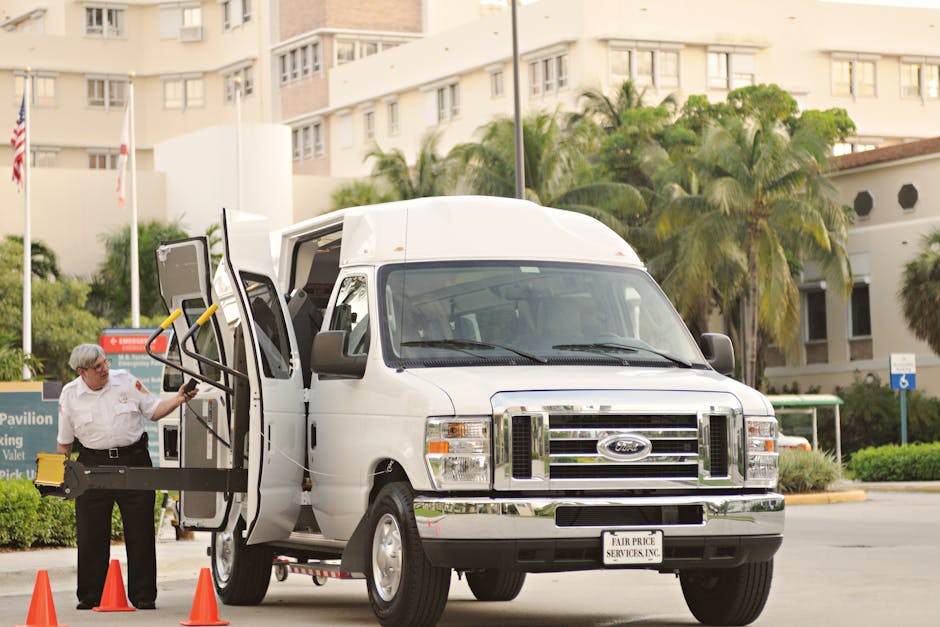
![A white delivery van with yellow and red reflective markings on the rear windows is parked on the street near a pavement, close to the entrance of a historic church with tall, ornate spires. The van is positioned next to a row of parked cars, and the scene is captured in bright daylight with a clear blue sky. Modern buildings surround the church, and the area appears to be part of an urban environment. The street is lined with street lamps and small trees, with some greenery visible in front of the church. This image illustrates a typical scene in a city area, potentially involving home relocation or furniture transport, with the van likely used for removal or moving services. [COMPANY_NAME] may use such vehicles for assisting with packing, loading, and transporting household items during a house removal process on Grange Road, Riddlesdown, as highlighted in the page titled 'Avoid Van Access Problems on Grange Road, Riddlesdown.'](/pub/blogphoto/avoid-van-access-problems-on-grange-road-riddlesdown2.jpg)
Common Mistakes to Avoid
Most access problems come from assumptions. The street will be fine. Someone will move their car. The van will fit. Usually, one of those assumptions has other ideas.
- Not checking parking early enough. A spot that looks free in the evening may be unavailable in the morning.
- Ignoring the turning space. A van may reach the road but still struggle to swing in or out.
- Forgetting about communal access. Flats and shared buildings often need building-specific planning.
- Using one huge box strategy. Bigger is not better if the walk is longer or stairs are involved.
- Leaving bins, bikes, or deliveries in the way. Small obstacles become large ones once the van arrives.
- Assuming the driver knows the road already. A local team may know a lot, yes, but not every property setup is the same.
- Booking the wrong vehicle size. Too large can create access issues; too small can mean multiple trips. Neither is ideal.
There is one more mistake worth calling out: not protecting the furniture for the route you actually have, only the route you wish you had. If the item is going to pass through a narrow hall or down a step, cover it properly. If in doubt, check the advice on furniture removals in Riddlesdown and packing methods that make moving easier.
Tools, Resources and Recommendations
You do not need specialist equipment for every move, but a few practical tools can make access issues much easier to handle.
- Measuring tape: Useful for checking door widths, stair landings, and gate openings.
- Phone notes or a moving checklist: Keep parking notes, access instructions, and contact details in one place.
- Furniture blankets and wraps: Helpful if items need to be carried a longer distance.
- Gloves and sturdy shoes: Basic, but worth it when lifting on uneven pavement.
- Protective floor coverings: Especially useful in flats or properties with polished flooring.
- Box labels: Make the unloading phase faster if items have to be carried farther than expected.
For the prep side of the move, the site's guides on packing and boxes in Riddlesdown and decluttering before moving can be especially useful. Less clutter means easier access, which is exactly what you want on a road where space may be limited.
If you need temporary holding space because access or timing is tight, storage in Riddlesdown may also be a smart part of the plan. Sometimes the smoothest move is the one that doesn't try to do everything in one go.
Law, Compliance, Standards, or Best Practice
While every move is different, access planning should always respect normal UK road use, local parking rules, building restrictions, and basic health and safety practice. That means avoiding unsafe stops, not blocking driveways or emergency routes, and being considerate about loading on busy streets. If a van cannot stop safely, the answer is usually to adjust the plan rather than force it.
For flats, office buildings, and managed properties, there may also be site-specific rules about loading bays, lift booking, noise, and arrival times. These are not just administrative details. They affect how quickly a move can happen and whether the vehicle can stay where it needs to be.
From a best-practice point of view, it is sensible to:
- confirm access arrangements in advance;
- keep communication clear between customer and mover;
- avoid unsafe manual handling where items are too bulky or awkward;
- use suitable protective equipment and loading methods;
- allow realistic time for parking and carrying.
For readers who want to understand the company's wider approach to safety and trust, the pages on health and safety policy, insurance and safety, and terms and conditions are useful reference points. They do not replace common sense, of course, but they do show the kind of standards a careful move should follow.
Options, Methods, or Comparison Table
There is no single best method for every property on Grange Road. The right approach depends on access, load size, and how much flexibility you have on the day.
| Method | Best for | Strengths | Trade-offs |
|---|---|---|---|
| Standard direct loading | Clear frontage, easy parking | Fastest and least effort | Depends on space being available |
| Short-carry loading | Properties where the van must park nearby but not directly outside | Still efficient, usually straightforward | More time and more lifting |
| Smaller van or shuttle approach | Narrow access, tight turning space, awkward roads | More manoeuvrable, less parking stress | May require extra trips |
| Full removal team with planning support | Large homes, offices, heavy furniture | More hands, better coordination | Usually higher cost than a basic van-only option |
If you are comparing service styles, it can help to look at man and van support in Riddlesdown, removals in Riddlesdown, and removal companies in Riddlesdown. Each option can work well, but the best one depends on how tricky your access is and how much help you need on the day.
Case Study or Real-World Example
Imagine a two-bedroom flat move on or near Grange Road. The customer has a sofa, bed frame, several boxed kitchen items, and a few awkward pieces like a mirror and a coffee table. On paper, it sounds simple enough. But the building entrance shares space with other residents, and the nearest spot for a van is not right outside the door.
Rather than arriving and hoping for the best, the move is planned around access. Boxes are grouped by size. The sofa is wrapped so it can tolerate a longer carry. The crew arrives a little earlier than the main lift window to identify the safest stopping point. Communal areas are kept clear. The smaller items are loaded first to keep the route moving.
The result? No frantic reshuffling. No awkward waiting while someone tries to move a car. The move still takes effort, because of course it does, but it stays controlled. That is what good access planning does: it turns a potentially messy day into a manageable one.
For a heavier or more fragile load, the same principle applies. If the move includes specialist items, such as a piano, it is usually better to plan the access carefully and use the right service. For that, piano removals in Riddlesdown are the safer choice than trying to improvise.
Practical Checklist
Use this before the van arrives. It is simple, but it catches a lot of the things people forget when the day gets busy.
- Have I checked where the van will stop?
- Do I know if there are parking restrictions, time limits, or shared spaces nearby?
- Are driveways, gates, or paths wide enough for the items being moved?
- Have I told the mover about any stairs, steps, lifts, or long carries?
- Are bins, bikes, plant pots, and deliveries out of the route?
- Have I packed heavy items into manageable boxes?
- Are fragile items protected for any extra walking distance?
- Do I have a contact number for the mover on the day?
- Is there a backup plan if the street is unexpectedly full?
- Have I allowed enough time for loading without rushing everyone?
If you want a fuller move-prep process, pair this with stress-free moving tips and end-of-tenancy cleaning advice. A clean, clear property really does make access easier. It sounds obvious, but you would be surprised how often it is the missing piece.
Conclusion
To avoid van access problems on Grange Road, Riddlesdown, the main job is simple: plan the vehicle position, understand the street and property layout, and make sure your moving method matches the access you actually have. Once that is done, the rest of the move becomes far more predictable.
The best moves are not always the fastest ones. They are the ones that feel steady, organised, and properly thought through. A short extra conversation now can save a very long, very awkward morning later. And frankly, that is usually worth it.
If your move involves limited parking, tight access, bulky furniture, or a time-sensitive schedule, it makes sense to speak to a local team early and choose a service that fits the route as well as the load. A little planning around access can save time, protect your belongings, and make the whole day feel lighter.
Get a free quote today and see how much you can save.
Sometimes the calmest moving days start with one careful decision made well before the van turns up.